
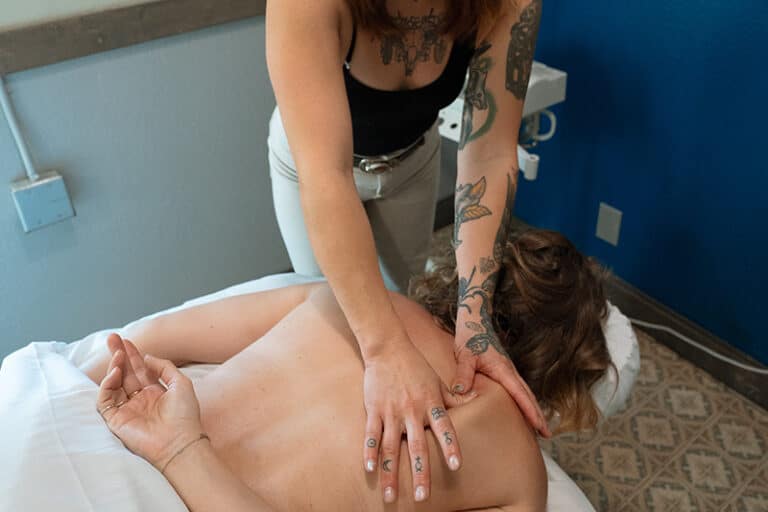
Whether you’re training for a local triathlon, logging miles on the stunning trails around Morro Bay, or pushing through your weekly gym routine, your body is constantly adapting to physical stress. And sometimes, it needs a little extra help bouncing back; this is where therapeutic sports massage can help you.
That’s where sports massage comes in. Unlike a typical spa day, sports massage is a targeted, therapeutic approach designed for active bodies. It’s about function over relaxation, though you’ll likely feel pretty great afterward, too.
But here’s the thing: not all massage therapists understand the unique demands athletes place on their bodies. And not every session is created equal. Before you book your first appointment, there are some key things you should understand about what sports massage actually involves, how it can benefit your performance, and how to find the right therapist in the Morro Bay area. We’re breaking it all down so you can make a well-informed choice and get the most out of your treatment.
What Is Sports Massage and How Does It Differ From Other Massage Types?
Sports massage is a specialized form of bodywork that focuses on the soft tissues most affected by athletic activity, muscles, tendons, ligaments, and fascia. While it shares some techniques with deep tissue massage, the approach is fundamentally different in its goals and application.
A traditional Swedish massage, for example, prioritizes relaxation. The pressure is generally lighter, the strokes are long and flowing, and the session is designed to calm your nervous system. It’s wonderful for stress relief, but it doesn’t specifically address the repetitive strain patterns athletes develop.
Sports massage, on the other hand, is problem-solving work. We’re looking at how your body moves, where restrictions exist, and what’s preventing optimal performance. The techniques might include deep tissue work, trigger point therapy, myofascial release, and stretch-and-release methods, all selected based on your specific sport and physical concerns.
At Opulent Healing, Zoey brings a background in sports therapy that informs every session. Her expertise in deep tissue, trigger point, and stretch-and-release therapy means she understands the biomechanics of movement. She also incorporates tools like cupping, hot stones, and IASTM (Instrument-Assisted Soft Tissue Mobilization) to target inflammation and enhance circulation in deeper tissues.
The key distinction? Sports massage is adaptive. A runner’s session looks completely different from a surfer’s or a CrossFit athlete’s. The therapist should be assessing your movement patterns, understanding your training load, and customizing every treatment accordingly.
Key Benefits of Sports Massage for Athletes
Faster Recovery and Reduced Muscle Soreness
You know that post-workout soreness that makes walking downstairs feel like an Olympic event? That’s delayed-onset muscle soreness (DOMS), caused by microscopic damage to muscle fibers during intense exercise. Sports massage accelerates recovery by increasing blood flow to affected areas, delivering oxygen and nutrients while flushing out metabolic waste products such as lactic acid.
Studies have shown that massage can reduce perceived muscle soreness by up to 30% compared to passive recovery alone. For athletes who train frequently, this means less downtime between sessions and the ability to maintain consistent training volume.
Improved Flexibility and Range of Motion
Tight muscles don’t just feel uncomfortable; they limit your performance. When muscle fibers become adhered, or fascia becomes restricted, your range of motion decreases. This affects everything from your running stride to your ability to get into proper lifting positions.
Sports massage works to release these restrictions through targeted techniques. Myofascial release addresses the connective tissue that surrounds and supports your muscles, while stretch-and-release therapy helps restore length to shortened muscle groups. Over time, regular sessions can significantly improve your flexibility, leading to more efficient movement patterns and better athletic performance.
Injury Prevention and Pain Management
Here’s something many athletes don’t realize: chronic tightness and muscle imbalances are often precursors to injury. That nagging hip discomfort? It might be compensation for restricted ankle mobility. The shoulder pain that flares up during overhead movements? Possibly stemming from tight thoracic muscles.
Sports massage helps identify these problem areas before they become full-blown injuries. A skilled therapist can feel areas of tension, scar tissue, adhesions, and trigger points that you might not even be aware of. By addressing these issues proactively, we’re essentially doing maintenance work on your body, catching small problems before they sideline you for weeks or months.
For those already dealing with pain, sports massage offers meaningful relief. Zoey specializes in the energetic connection between somatic health and chronic pain, working not only to help clients regain mobility but also to address the root cause of discomfort. This holistic approach can be particularly effective for stubborn issues that haven’t responded to other treatments.
When to Schedule Your Sports Massage
Timing matters more than most people think. The best time to book your sports massage depends on your training cycle and competitive schedule.
Pre-event massage should be scheduled 2-3 days before the competition, not the day before. This type of session focuses on warming up muscles, increasing circulation, and preparing your body for peak performance. It’s typically shorter and uses lighter techniques; you want to feel invigorated, not worked over.
Post-event massage is best done 24-48 hours after intense competition or training. Immediately after exercise, your muscles are inflamed and vulnerable. Waiting a day or two allows the initial inflammatory response to subside, making deep work more effective and less likely to cause additional soreness.
Maintenance massage is what we recommend for most athletes, with regular sessions scheduled during normal training periods. The frequency depends on your training intensity. Recreational athletes might benefit from monthly sessions, while competitive athletes often schedule bi-weekly or weekly appointments during heavy training blocks.
If you’re dealing with a specific injury or chronic issue, more frequent sessions may be appropriate initially, tapering off as the condition improves. We work with you to create a customized treatment plan that meets your specific needs and goals.
One thing to avoid: don’t schedule a deep tissue sports massage right before a big race or competition. Your muscles need time to integrate the work, and you might feel temporarily sore or different in your movement patterns. Give yourself at least 48-72 hours of recovery time before you need to perform.
What to Expect During Your First Sports Massage Appointment
Walking into your first sports massage appointment can feel a bit uncertain, especially if you’ve only experienced spa-style massage before. Here’s what typically happens.
We start with an intake conversation. This isn’t just paperwork, it’s essential information gathering. Your therapist will ask about your athletic activities, training schedule, injury history, and current concerns. Be specific here. “My hamstrings are tight” is helpful, but “I feel pulling in my right hamstring during the last mile of my runs, especially on hills” gives us much more to work with.
The session itself will likely feel different from a relaxation massage. The pressure is often deeper, and there may be moments of discomfort, particularly when working on trigger points or areas of significant tension. Good communication is crucial. Let your therapist know if the pressure is too much or too little. “Productive discomfort” is one thing: pain that makes you tense up is counterproductive.
At Opulent Healing, Zoey offers both full-body treatments and targeted treatments, depending on what you need. A 45-minute Targeted Therapeutic Massage might focus exclusively on your problem zones, while longer sessions (60, 75, 90, or 120 minutes) allow for more comprehensive work. If you’re unsure which to book, start with a 60-minute session to allow for assessment and meaningful treatment.
You might also experience techniques you haven’t encountered before. Cupping leaves temporary circular marks but can dramatically release fascial restrictions. Gua sha scraping may cause mild redness, but it effectively breaks up adhesions. These tools aren’t gimmicks; they’re evidence-based methods that enhance manual therapy.
After your session, drink plenty of water and expect to feel a bit different in your body for a day or two. Some people feel immediate relief; others notice the biggest improvements 24-48 hours later.
How to Choose the Right Sports Massage Therapist in Morro Bay
Not every massage therapist is equipped to work effectively with athletes. Here’s what to look for when choosing a sports massage provider in the Morro Bay area.
Relevant training and credentials. Look for a Licensed Massage Therapist (LMT) with specific education in sports massage or athletic bodywork. Additional certifications in techniques like myofascial release, trigger point therapy, or IASTM indicate advanced training. Ask about their background, have they worked with athletes before? Do they understand the demands of your particular sport?
A customized approach. Run from any therapist who offers a one-size-fits-all treatment. Your body has unique needs based on your sport, training history, and individual biomechanics. A good sports massage therapist will perform an assessment, ask detailed questions, and adapt their approach accordingly.
Willingness to communicate. You want someone who explains what they’re feeling in your tissues, educates you about your body, and collaborates with you on a treatment plan. Massage shouldn’t be a passive experience where you lie there wondering what’s happening.
Holistic understanding. The best therapists recognize that physical issues often have deeper connections. Zoey at Opulent Healing specializes in understanding the energetic connection between somatic health and chronic pain, she looks not only at the physical symptoms but also at root causes and potential energetic blockages. This comprehensive approach often yields better long-term results than purely mechanical treatment.
Convenient options. Consider session lengths and scheduling flexibility. Opulent Healing offers Deep Tissue Massage sessions in 60, 75, 90, and 120-minute options, plus package deals for those who want to commit to regular maintenance. Bundles of three sessions can make consistent care more accessible.
Don’t be afraid to try a few therapists before committing. The right fit makes all the difference in your results.
Tips for Maximizing Your Sports Massage Results
Getting on the table is just part of the equation. How you prepare for and follow up on your sessions significantly impacts your outcomes.
Hydrate before and after. Your muscles are roughly 75% water, and hydrated tissue responds better to massage. Drink plenty of water in the hours leading up to your appointment, and continue hydrating afterward to help flush out released metabolic waste.
Don’t train hard right before. Showing up immediately after an intense workout means your muscles are already inflamed and fatigued. Give yourself at least a few hours, ideally, schedule your massage on a lighter training day or rest day.
Be honest about pain levels. Some athletes have a tendency to grit through discomfort, thinking more pain equals more benefit. That’s not how this works. If you’re tensing up against the pressure, your muscles can’t release effectively. Speak up and let your therapist adjust.
Do your assignments. Many therapists will give you stretches, mobility exercises, or self-massage techniques to practice between sessions. Actually doing these extends the benefits of your treatment and accelerates progress.
Consider complementary modalities. At Opulent Healing, services like Intuitive Reiki can enhance your massage results by addressing stress and promoting deeper relaxation. The combination of bodywork and energy healing creates a more comprehensive approach to recovery.
Commit to consistency. One massage won’t fix chronic issues or dramatically improve your performance. Regular sessions, whether weekly, bi-weekly, or monthly, create cumulative benefits. The body responds to consistent input.
Communicate changes. If your training shifts, you pick up a new sport, or something changes in your body between appointments, let your therapist know. The more information we have, the better we can serve you.
Conclusion
Sports massage isn’t a luxury for athletes; it’s a legitimate tool for performance optimization, injury prevention, and recovery. When done well, by a skilled therapist who understands the demands you place on your body, it can be the difference between constant nagging issues and feeling strong, mobile, and ready to train.
The Morro Bay area offers plenty of natural training grounds, from ocean swimming to coastal trail running to rock climbing. Your body works hard in these pursuits. It deserves informed, targeted care in return.
At Opulent Healing, we’re committed to creating a space for transformational healing that supports both physical recovery and overall well-being. Zoey’s background in sports therapy, combined with her expertise in deep tissue, trigger point, and myofascial release techniques, makes her uniquely equipped to work with active individuals.
If you’ve been seeking a therapist who prioritizes your needs and takes the time to understand your body, we invite you to experience the difference that specialized care can make. Your next training cycle, and your body, will thank you.